Learn About Key Arboriculture Techniques for Maximum Tree Health
Understanding tree care is crucial for maintaining a healthy environment. Crucial methods such as mulching and pruning are vital factors in enhancing tree health. Additionally, correct irrigation methods are essential for root establishment. Yet, most people miss the indicators of tree illness and the importance of hiring professionals. Looking into these areas can result in a better understanding for trees and their care. What measures can be adopted to help their trees grow strong?
The Significance of Tree Well-being
Knowing why tree health is crucial is vital, as trees play a significant role in preserving the ecosystem's equilibrium and enhancing urban environments. Vibrant trees help improve air quality, offer cooling shade, and sustain animal homes. Furthermore, they help lessen environmental shifts by sequestering carbon dioxide, making them essential for a sustainable environment.
In city environments, well-maintained trees improve aesthetics, raise the value of homes, and foster neighborhood health. Their presence can reduce city heating in cities, which saves money on energy.
Neglecting tree health, conversely, can lead to illness, bug invasions, and weakness in structure, creating dangers to the trees and nearby structures alike. Therefore, knowing the markers of tree well-being, such as leaf coloration, how the tree is growing, and bark condition, is vital for successful maintenance. Ultimately, caring for vibrant trees supports not only private yards but the entire environment as well, highlighting the necessity for preventative maintenance and care methods.
Vital Trimming Practices

Cutting branches is a vital method in tree care that promotes strong growth and vitality, as it gets rid of sick or dead limbs and boosts ventilation within the canopy. Employing proper techniques ensures the trees can thrive in their environment.
One fundamental technique is "thinning," which requires careful branch removal to improve sunlight exposure and reduce weight on weaker limbs. 'Tip pruning' is one technique, where the terminal buds are removed to encourage thicker growth, mainly in juvenile trees. Furthermore, the 'crown reduction' method reduces the height and spread of a tree but keeps its characteristic silhouette.
Proper timing is crucial; trimming when the tree is resting reduces strain and promotes better wound closure. Pruning implements must be sharp and sterile to avoid damage and disease transmission. Understanding these important pruning techniques is crucial for any tree care professional who seeks to keep healthy and aesthetically pleasing trees.
Recognizing Typical Tree Ailments
How do tree owners identify the signs of common diseases that put their trees at risk? Familiarity with key indicators is essential for early detection and treatment. Common indicators include discolored or wilting leaves, possibly indicating a fungus or nutrient deficiencies. Strange developments, for example, galls and cankers, often point to pests or pathogens that weaken the tree. Furthermore, sap running out or bark flaking off may indicate infections that require immediate attention.
Arborists should look for alterations in the tree's form, like premature leaf shedding or dead branches, which could signify a more severe underlying issue. Watching for evidence of bug problems, such as holes in the bark or frass, is equally important. By remaining vigilant and proactive, tree owners can identify these common diseases and get the right solutions, to keep their trees healthy and vigorous throughout the seasons.
The Role of Mulching in Tree Care
Applying mulch is a vital method in tree care, giving various benefits that promote healthy growth and durability. It involves applying a layer of inorganic or organic matter at the tree's base, helping to keep the soil damp, suppress weeds, and regulate soil temperature. This insulating layer does more than minimize competition from invasive plants but also enhances the aesthetic appeal of the yard.
Moreover, organic mulches, like bark or wood chips, break down eventually, adding vital nutrients to the soil and bettering its texture. This natural breakdown helps roots establish and fosters a healthier environment for the tree. Moreover, mulching can prevent soil erosion, thereby stabilizing of the tree’s root system. Properly applied mulch should be spread in a circular pattern, making sure it doesn't touch with the trunk to stop decay. In conclusion, making mulching a part into tree care routines considerably contributes to the sustained well-being of trees.
Effective Watering Techniques for Trees
Good tree maintenance demands more than just mulching but also appropriate watering techniques to promote the best growth and health. Trees, specifically new plantings, need consistent moisture to form solid root networks. It is vital to water deeply, as it promotes roots to descend where moisture is more consistent. Ideally, trees need roughly one inch of water per week, whether through rainfall or extra irrigation.
It is best to water early in the morning to reduce evaporation and disease caused by fungi. One must be complete info careful not to overwatering, which often causes root decay and other issues. Check the ground for moisture before watering; if the top two inches are dry, then watering is necessary. Moreover, using a soaker hose or drip irrigation delivers a gradual, continuous stream of water, ensuring that trees receive adequate hydration without the potential for wasted water. Correct watering methods significantly aid to the general well-being of trees.
Hiring Professional Tree Services: Reasons and Necessity
In evaluating the health and aesthetics of a property, retaining specialized arborists can be crucial for homeowners facing complex tree care needs. Expert tree specialists have the expertise to evaluate the condition of trees, recognize pathogens, and apply successful remedies. Arborists are also aware of local regulations regarding tree removal and maintenance, making sure they comply and preventing costly penalties
(Stillwater Tree Service)Property owners ought to hire experts when dealing with mature trees, specifically trees near homes or power lines, as mishandling creates safety hazards. Additionally, trees requiring pruning for looks or well-being benefit from the skills of trained specialists who can execute precise cuts to promote growth
Periodic maintenance, such as storm preparation and debris cleanup, need professional assistance to maintain property safety and appearance. In the end, hiring certified arborists ensures optimal tree maintenance, contributing positively to the overall landscape and property value
Frequently Asked Questions
How Do I Know if My Tree Is Overwatered?
Signs of overwatering in trees include chlorotic leaves, limpness though the soil is damp, decaying roots, and premature shedding of leaves. In addition, the presence of fungal growth around the base often suggests slow soil percolation and excess moisture.
What's the Optimal Season for Tree Pruning?
The optimal period to prune trees is generally in the cold months before spring before the onset of new foliage - Stillwater Tree Service. Scheduling the work then supports vigorous development and reduces the tree's strain, allowing for effective healing and development
Do Trees Bounce Back After Significant Weather Events?
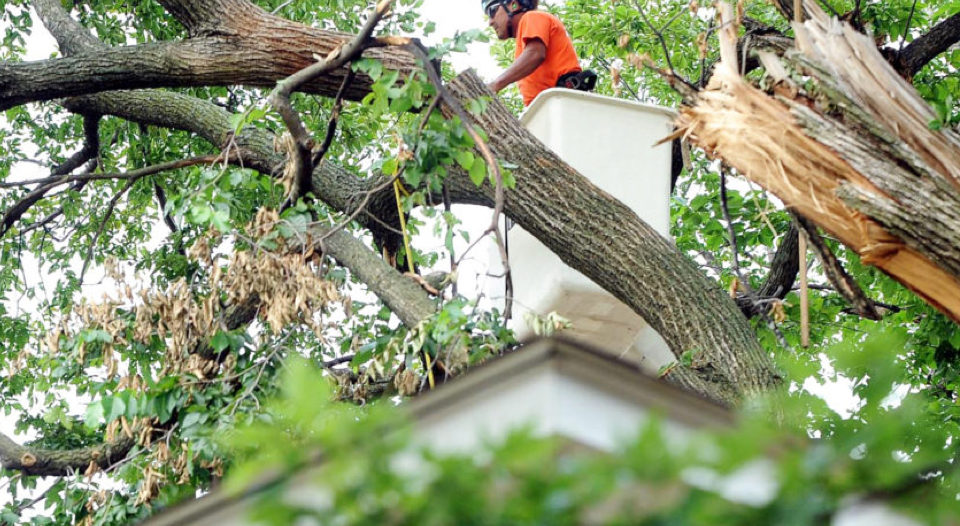
Yes, trees can recover from severe storm damage. With proper care, like trimming broken branches and providing adequate water and nutrients, most trees will recover their vitality and continue to thrive following a stressful event.
What Should I Look For When Choosing the Right Mulch for My Trees?
To choose the right mulch for trees, it is best to use organic options like wood chips or bark, apply it to a depth of 2-4 inches, and keep mulch away from the tree collar to safeguard against rot.
Are Some Trees Higher Maintenance Than Others?
Specific varieties, for instance, new plantings and orchard trees, require greater attention because they react strongly to environmental shifts and specialized fertilization demands. Consistent observation and customized care routines are essential for their health and development.